When AI Produces Videos: The Cultural Shift in Creative Workflows
Alex Kim
Culture Editor
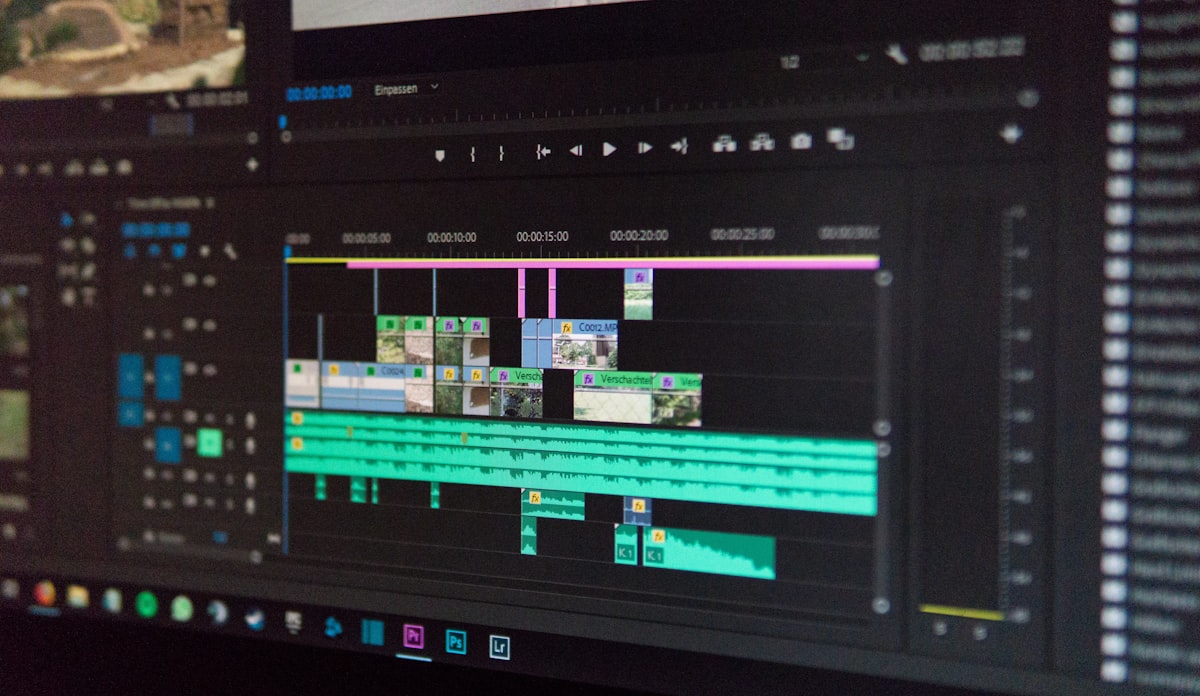
Invideo AI leverages OpenAI models to transform ideas into polished videos, but what does this mean for artists? As machines streamline creation, we explore the cultural implications of AI in the creative process.
When AI Produces Videos: The Creative Crossroads
Invideo AI is making waves in the creative industry by leveraging OpenAI’s GPT-4.1, gpt-image-1, and text-to-speech models to transform ideas into professional videos in minutes. While this technology promises efficiency, it also raises profound questions about the future of creativity and the role of humans in artistic production. As tools like these become ubiquitous, how do we preserve the essence of human expression in an age of automation?
The Promise of Speed and Efficiency
Invideo AI’s ability to generate polished videos at lightning speed is a testament to the power of artificial intelligence. By integrating OpenAI’s advanced models, users can input raw ideas and watch as the AI handles everything from scriptwriting to voiceovers and visual design. This democratizes video production, allowing creators with limited resources to compete with industry giants.
- Script Generation: GPT-4.1 crafts coherent narratives in seconds.
- Visual Design: gpt-image-1 generates stunning visuals tailored to the script.
- Voiceovers: Text-to-speech models deliver lifelike audio in multiple languages.
The Cultural Implications of AI-Driven Creativity
While the technical advancements are impressive, the cultural implications are equally significant. As AI takes on more creative tasks, artists and creators face a dual-edged sword. On one hand, these tools can amplify their capabilities, freeing them from mundane tasks. On the other hand, there’s a risk of diminishing the value of human originality. When machines can produce art effortlessly, what becomes of the painstaking process of creation?
A recent article from apnews.com highlights how AI is reshaping the music industry, sparking debates about authorship and creativity. Similarly, Invideo AI forces us to confront these questions in the realm of video production.
Navigating the Ethical Landscape
The rise of AI in creative workflows also brings ethical considerations to the forefront. Who owns the rights to AI-generated content? Should creators be compensated for the use of their data to train these models? These questions are explored in depth in Edward Lee’s article, Prompting Progress: Authorship in the Age of AI, which argues for a reevaluation of copyright laws in the context of AI-generated works.
As we embrace tools like Invideo AI, we must also establish frameworks that protect the rights of creators while fostering innovation.
The Human Touch in an AI World
Ultimately, the success of AI in creative industries depends on how we integrate these tools into human workflows. Machines can handle the technical aspects, but the emotional depth, cultural nuance, and storytelling prowess that define great art still come from humans. As The Guardian notes, even classical composers are grappling with their role in an AI-driven world.
Invideo AI is not just a tool; it’s a cultural shift. By understanding its potential and limitations, we can harness its power while preserving the humanity that makes art meaningful.
AI-assisted, editorially reviewed. Source
Cultural Analysis · Philosophy of AI · Artist Perspectives